The Population Squeeze
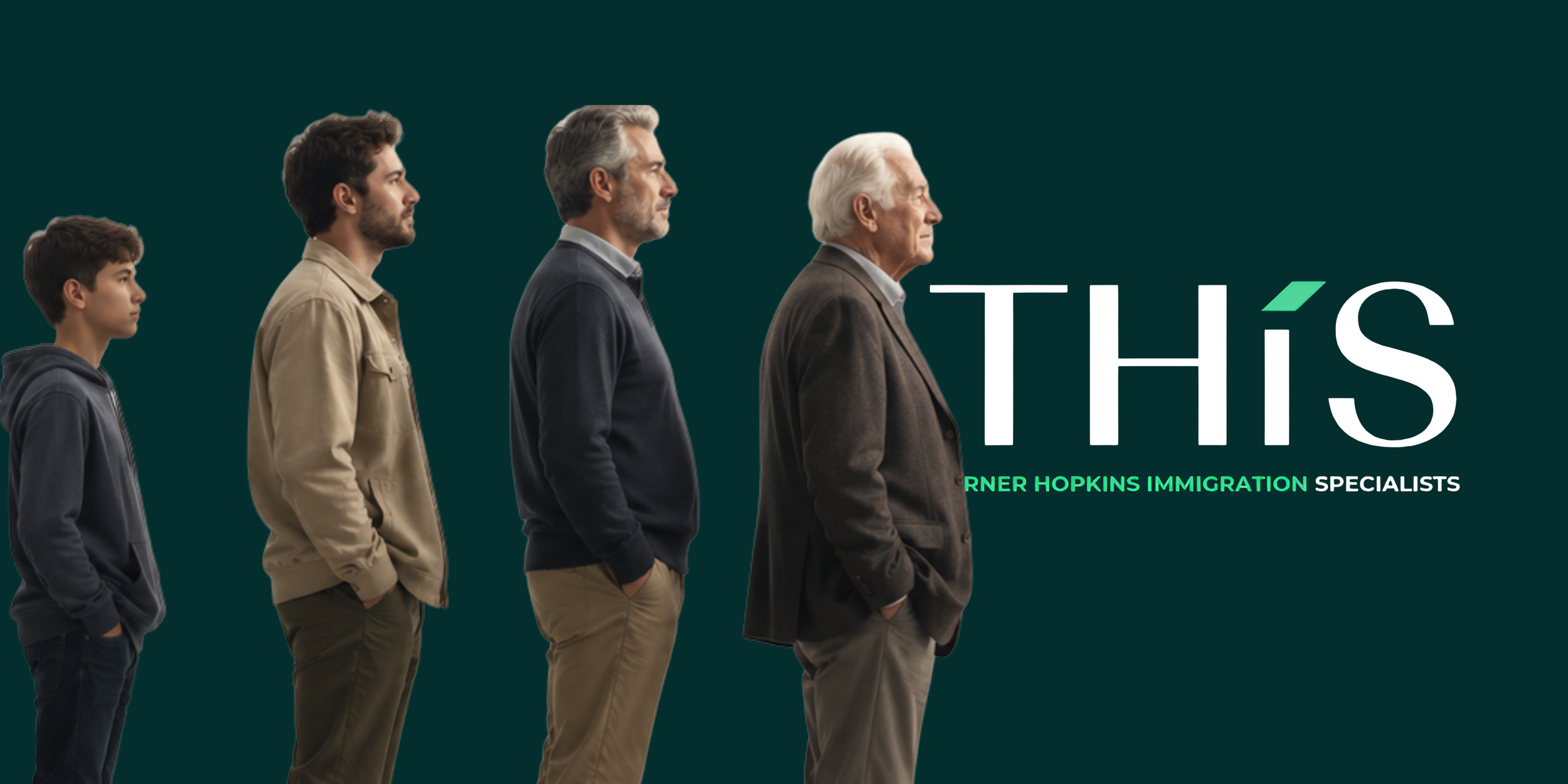
New Zealand is getting older, and not in the “we all need a stronger coffee and a better mattress” sense, but in the very real and slightly alarming demographic sense, that will shape our workforce, tax base, health system, regional growth and national economy, for decades to come.
A recently published report by Sir Peter Gluckman and Professor Paul Spoonley, highlighted what many policymakers already know, but few seem willing to confront with any real enthusiasm - New Zealand’s population is ageing, birth rates are falling, and the number of working-age people available to support the wider population is coming under significant pressure. This is not just a superannuation issue, or how many gold cards we might need to dish out in the next decade or two, and it is not just a health-sector issue either. It is certainly not just an immigration issue. It is a much bigger and much more pressing national planning problem.
For too long, New Zealand has treated immigration like a tap, turning it on when employers are short of workers and turning it down (or off) when the political temperature rises. We tend to tighten policy when infrastructure is under pressure and then loosen it again when industries start demanding more people. That might work as a short-term political reaction, but it is no substitute for longer term population planning.
Before we wade in to the debate about how many people should come to New Zealand (and there is no shortage of opinion on that topic), or how many we can support, we need to ask a much bigger question - what sort of country are we actually planning for?
An ageing population affects almost everything. It affects who works, who pays tax, who needs care, where people live, what skills we need, how regions survive, and whether the public services we rely on can be properly funded. Immigration has a role to play in that conversation, but it cannot be the whole conversation or the only mechanism we have to negotiate our population issues. It needs to sit inside a broader, more honest (and possibly more confronting) discussion about population, productivity, infrastructure and long-term national planning.
Because the future is coming whether we plan for it or not, and as with most things in immigration, hoping it will somehow sort itself out is not much of a strategy.
A Population Policy
New Zealand tends to talk about and deal with immigration as though it sits in it’s own little box, disconnected from how the rest of the country functions. However immigration is tied to labour markets and workforce planning, tax revenue, health care, aged care, housing, education, regional development, infrastructure and economic growth. It affects who works, who pays, who builds, who invests, and who keeps communities moving.
That is why the latest discussion about New Zealand’s ageing population deserves more than a momentary scroll. This is not just a story about superannuation or retirement villages. It is a story about the future shape of the country and the impacts it will have on everyone living in it.
People, People, Everywhere
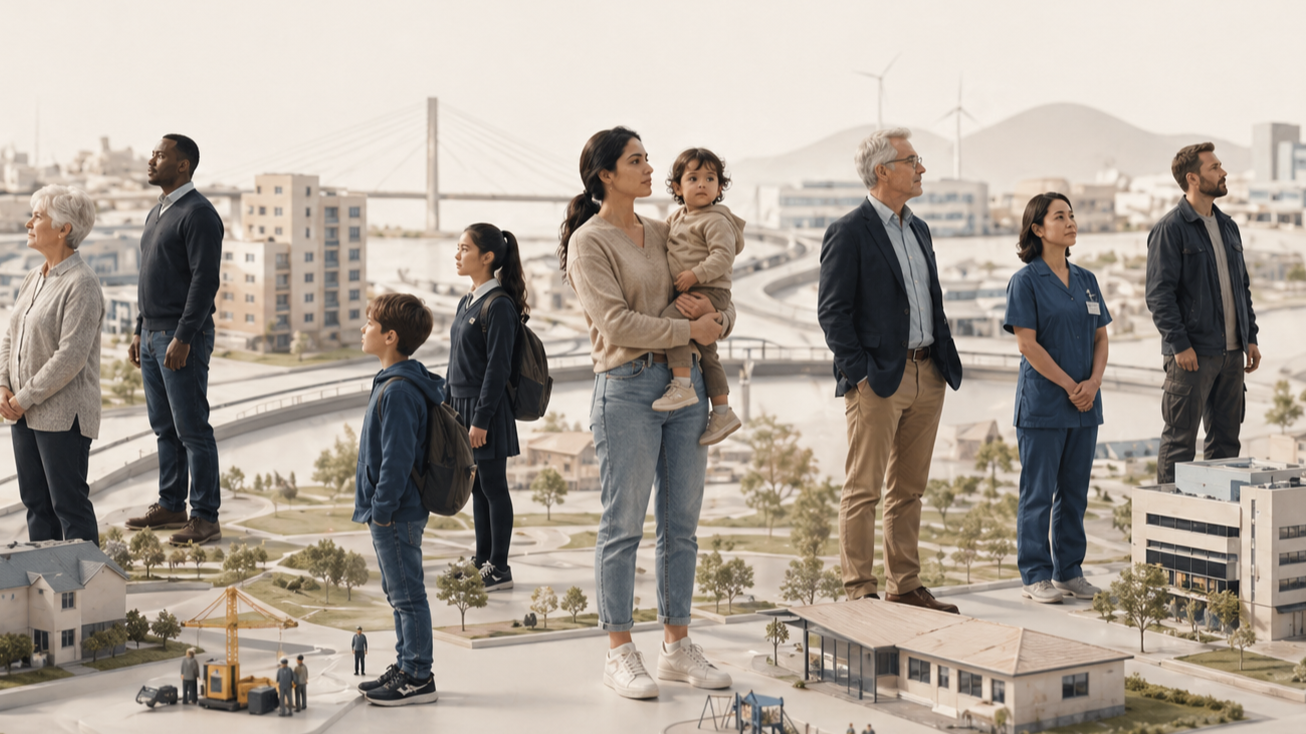
For a small country like New Zealand, an ageing population is concerning, and how we plan our population growth becomes an increasingly important question.
New Zealand is ageing, birth rates are falling and over time, fewer working-age people will be supporting a larger, older population.
That does not mean the sky is falling, but it does mean the numbers are shifting in ways that will affect almost every part of our lives in the medium to long-term.
So before New Zealand argues, again, about whether migration numbers are too high or too low, we need to ask a more useful question - what sort of population are we actually planning for?
That is where a proper population policy becomes important. Not an announcement or a press release, and not another short-term visa tweak. A serious population policy would connect immigration with housing, infrastructure, health, aged care, workforce needs, regional development and long-term economic planning. At the moment, immigration is too often used as a pressure valve and unduly influenced by political leanings. Open the door when employers need workers and then narrow the settings when housing or infrastructure becomes politically uncomfortable.
We saw this with the 2021 Resident Visa program, which aimed to both reduce queues, and provide a longer-term population boost, before borders reopened. It could also have been seen as a potential way to secure votes in the longer term. The result was a messy, complex policy that created more problems than solutions. That is not strategy, it’s policy whiplash.
An ageing country needs (ironically) a more “mature” conversation. Population change is not an abstract problem for reports and committees, it directly affects hospitals, building sites, aged-care facilities, classrooms, businesses and regional communities.
If New Zealand wants to manage the next few decades properly, it needs to stop asking immigration to do all the heavy lifting while also blaming it for every pressure point in the same system. The first step is not deciding whether we need more migrants or fewer migrants. The first step is deciding what kind of country we are planning to be.
The Role of Immigration
Immigration is of course, not the whole answer to population ageing or our demographic shift, but it is clearly part of the answer. If New Zealand has fewer people entering the workforce locally, then we either accept a smaller workforce, lower growth, greater pressure on taxpayers and more strain on public services, or we use immigration properly as one of the tools to manage that pressure.
That does not mean simply opening the doors and hoping for the best. It means deciding, carefully and with some research, what skills we need, where those skills are needed, what industries are critical, and what kind of long-term settlement outcomes we are trying to create. It could also mean investing time and energy and effort into rethinking our immigration settings, rather than simply patching them up. Even though our system has changed over the last few years, what we have now is essentially a variation of a very consistent theme. The question is, could we be doing it differently?

Importing People
Immigration is a key component of any population policy we might come up with, however it is just one of a variety of tools in the toobox.
Immigration settings are changed too often in response to short-term pressures - fixes here and tweaks there.
Employers lobby, so settings are loosened. Public pressure builds, so settings are tightened. A pathway opens, closes, reopens, gets renamed, then returns wearing a slightly different pair of trousers.
Politicians also apply their own separate handbrakes to the process (Winston Peters, being the most obvious), which means immigration settings and in turn population outcomes are overly influenced by political leanings or coalition deals. That is not long-term planning.
Skilled migrants and investors do not make life-changing decisions on the basis of uncertainty. They look for stability, credibility and a country that appears to know where it is going. If New Zealand wants skilled workers, business owners, entrepreneurs and investors to choose this country over Australia, Canada, the United Kingdom or elsewhere, we need immigration settings that are predictable enough to build a future life around.
Population ageing makes that even more important. We will need workers in health care, aged care, construction, education, technology, infrastructure, logistics, hospitality, agriculture and regional businesses. We will also need capital, business experience and people willing to settle, employ others and contribute beyond the initial visa they are granted.
That requires immigration policy to be connected to workforce planning, regional needs, housing, education and infrastructure. It also requires some political discipline and longevity. Immigration cannot keep being treated as an emergency switch to flick when the economy complains, then a convenient scapegoat when the system gets a little stretched.
Used properly, immigration can help New Zealand manage the demographic squeeze. Used poorly, it becomes another short-term fix dressed up as strategy. The question is not whether immigration matters, because clearly it has demonstrated that it has a vital role to play. The question is whether New Zealand is prepared to plan a longer term immigration strategy around a well structured population policy.
Why Immigration Alone Isn’t Enough
Immigration can help New Zealand manage an ageing population, but it cannot carry the whole load. Bringing in skilled workers can ease workforce shortages. Investor migrants can and do bring in capital, business experience and commercial networks. Families who settle here can add to communities, schools, workplaces and regions. All of that is vitally important. But immigration cannot fix poor planning, instead and as history has shown it has become a band-aid.
Post-covid we pulled the lever too far, and the flood gates did open, we then spent the last two years trying to remedy that, and tighten the system up to plug the leaks and increase skill levels. Eventually it will all swing back the other way.

Pieces Of The Puzzle
Immigration needs to sit alongside a much bigger set of policies and plans that will help us to grow our population sustainably and in the right direction.
Immigration will not build the houses by itself. It will not suddenly expand hospital capacity, train more local workers, fund every road, lift productivity, or solve the long-term cost of superannuation and aged care. Those problems need policy settings that sit well beyond the immigration system.
This is where the immigration debate often gets a bit lazy. One side talks as though migrants are the cause of every pressure point.
The other side talks as though migration can solve every shortage. Neither view is serious enough for the scale of the issue we have to face and will be facing in the near future. It needs a combined effort across the political spectrum to make it work.
If New Zealand’s population is ageing, then we need to be honest about the state of the books. Who will work? Who will pay tax? Who will deliver care? Who will build infrastructure? Who will start businesses? Who will keep regional communities viable? Immigration can contribute to each of those answers, but it cannot be the only answer.
We also need better workforce training, stronger productivity, sensible infrastructure investment, housing that matches population growth, regional planning that reflects actual local need, and a clearer view of how public services will be funded over the next 20, 30 and 40 years. That is the bigger point. Immigration policy should not be treated as a substitute for population policy. It should be part of it.
The demographic squeeze is real and immigration can help soften it. But if New Zealand wants to balance the books, support an ageing population and remain a country people actively choose, then we need more than visa settings. We need a plan.
Final Thoughts…
New Zealand’s ageing population is not tomorrow’s problem - it is already here, quietly reshaping the country around us. We can keep treating immigration as a tap to be turned on and off whenever the political weather changes, or we can be a little more grown up about it. Skilled migrants, investors, business owners and families are not just visa applicants. They are part of the workforce, the tax base, the business community and the future shape of New Zealand. However immigration as a feature of a population policy, only works properly when it is planned out longer-term.
For migrants, that means understanding where the real opportunities are, what the residence pathway looks like, and whether New Zealand is genuinely the right long-term move. For employers and investors, it means looking beyond the immediate visa question and thinking about workforce, growth, succession, capital and settlement.
At Turner Hopkins Immigration Specialists, we work with skilled migrants, investors, employers and families to cut through the noise and build clear, practical immigration strategies. Not guesswork, or social media shortcuts.
If you are considering New Zealand as a place to live, work, invest or build your future, now is the time to get proper advice before you make decisions that are hard to unwind.
Until next week!